
 When Salima heard the flood warning, her first thought was not about water. It was about sanitary pads.
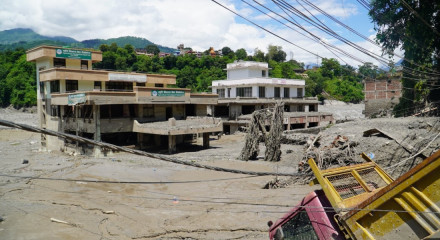
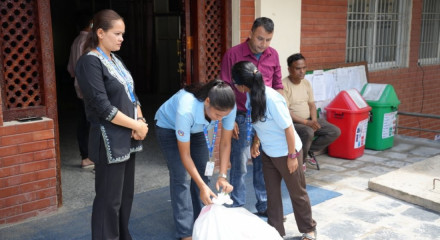
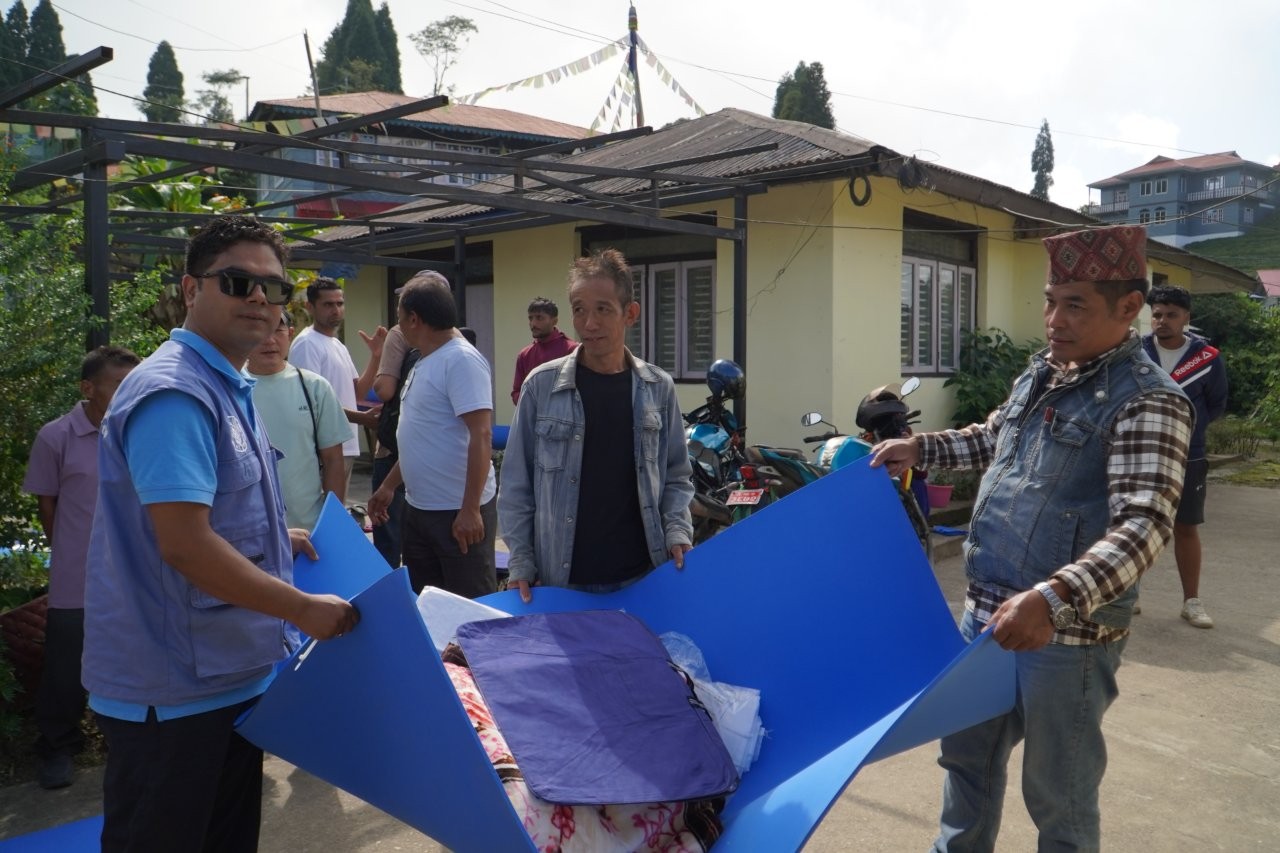
During the devastating floods of 2017, she had listened to her mother and aunts describe the humiliation of being stranded in crowded shelters without basic hygiene supplies. This time was different. Days before the floodwaters arrived, Salima, 20, from Sunsari district, received a dignity kit through a programme built to reach families before disaster strikes. The flood still came. But for thousands of people across Nepal's eastern plains, help arrived first.
“I don’t think people understand how important something as small as a sanitary pad can be,” she said. For her, the kit was not just about hygiene. It was about regaining control.
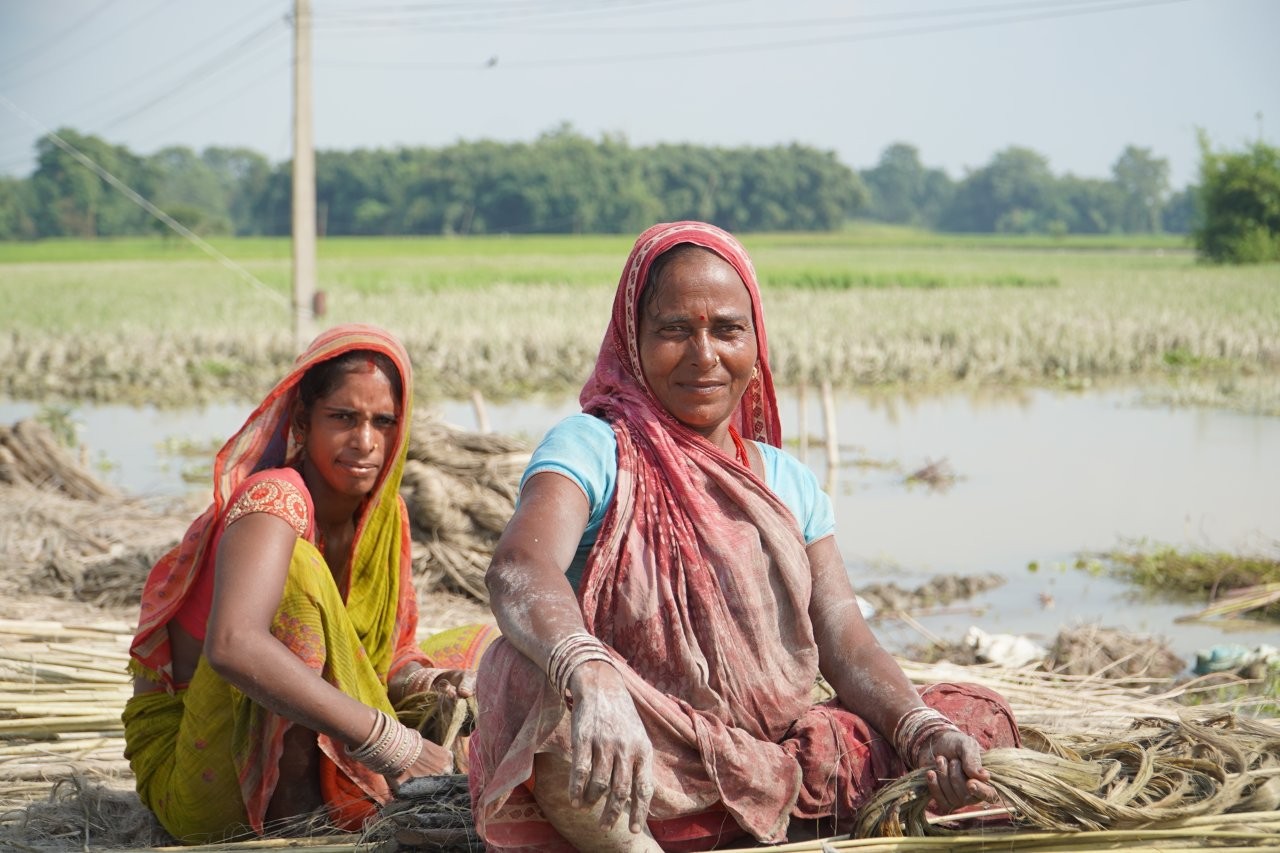
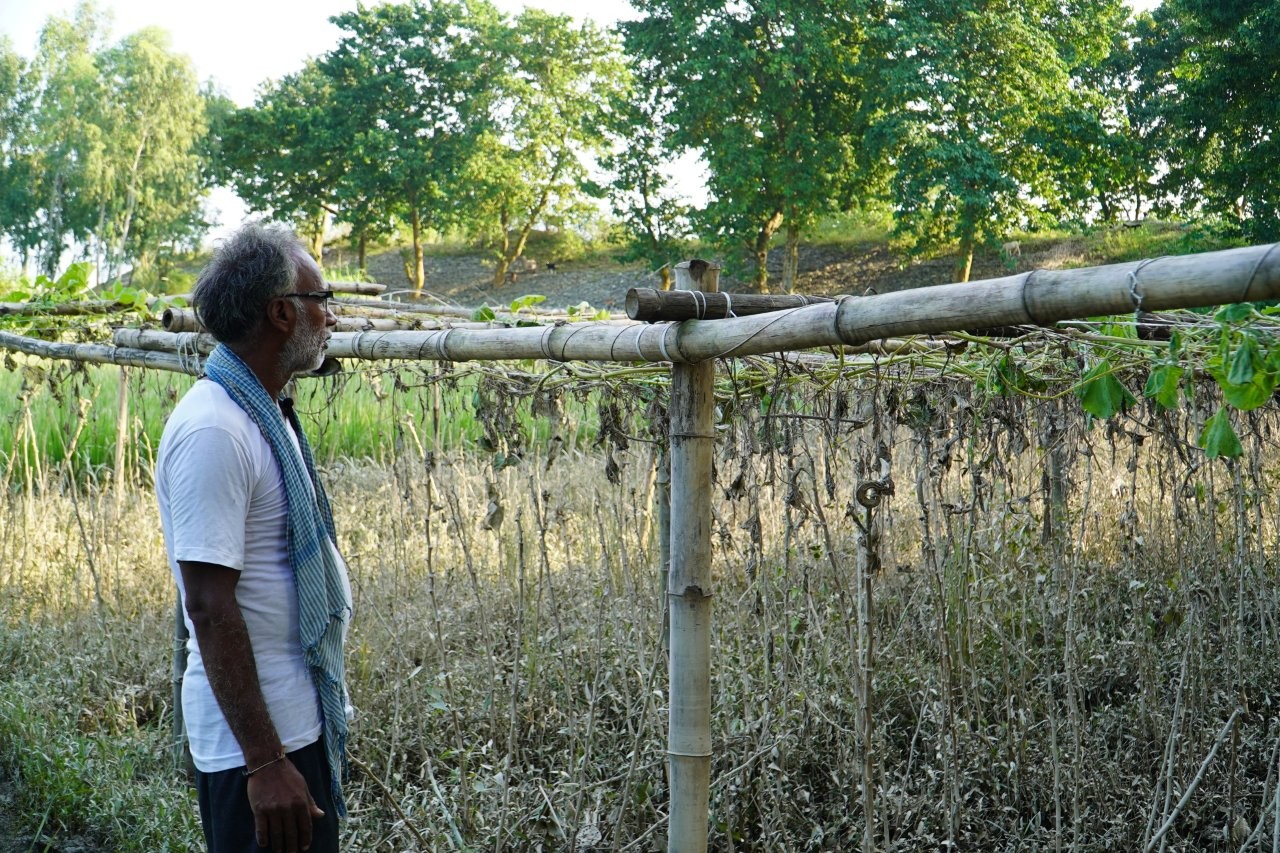
For generations, communities along the Koshi river received help only after floods had destroyed homes, crops and livelihoods. In 2024, for the first time at scale, that sequence was reversed: forecasts moved first, then warnings, then cash and supplies, and only then the flood.
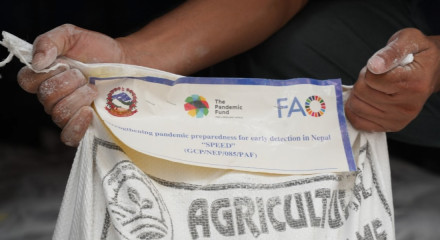
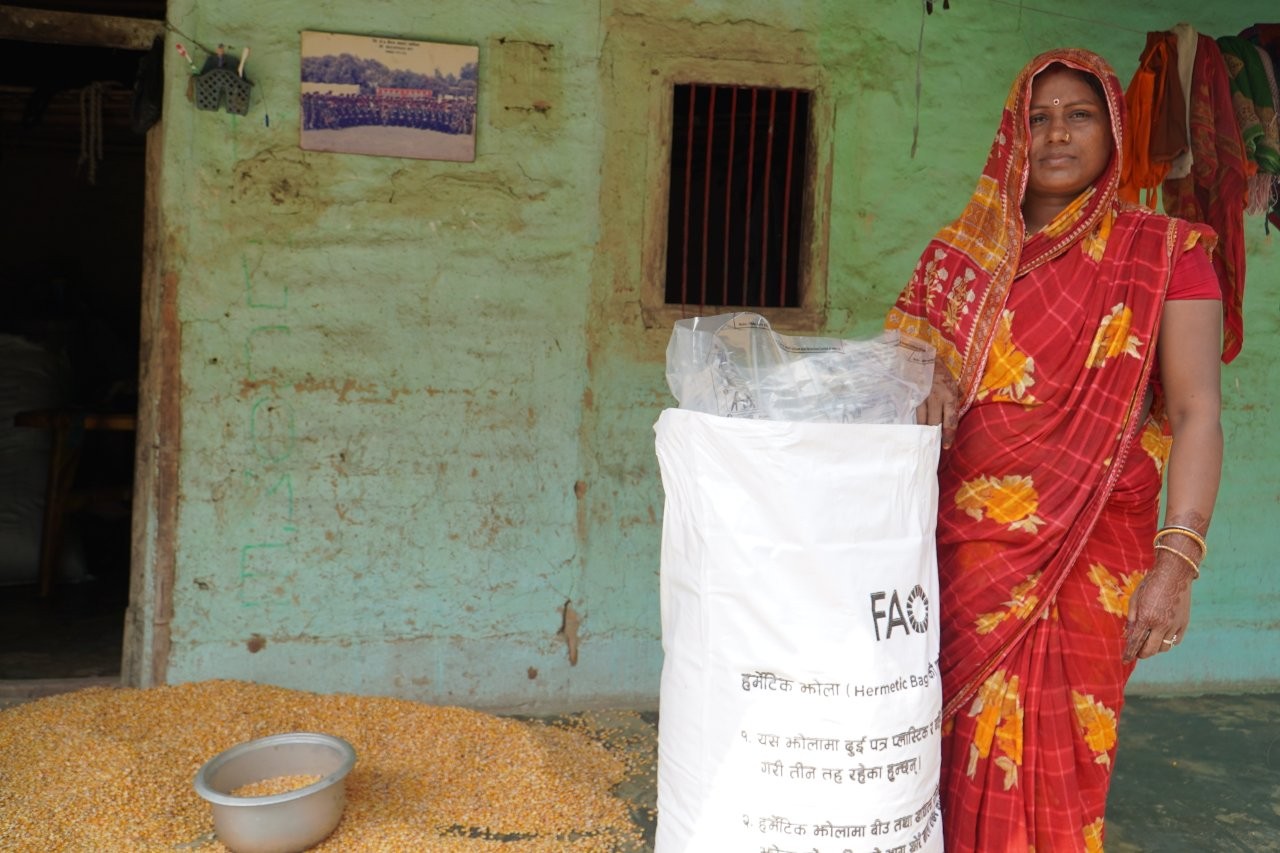
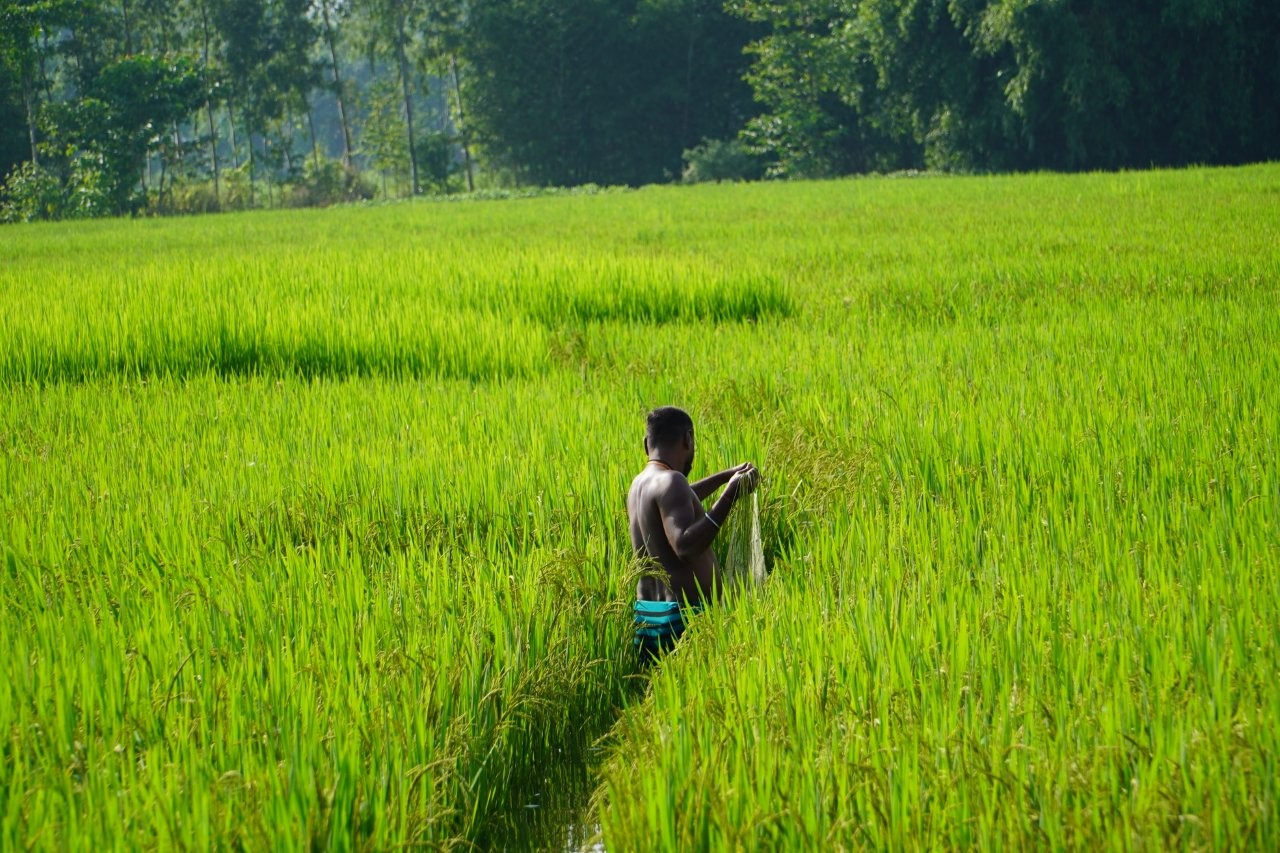
Chandeshwor Sada felt the reversal in his own store room. For years, a flood meant losing twice, standing crops in the field and grain stored at home, months of work gone in a night. This time his harvest was sealed in an airtight storage bag, delivered before the monsoon arrived.
“Before, I used to lose a big part of my harvest to insects and dampness. My grain now stays safe and dry. I feel relaxed and happy because my food is protected, and I can use it for longer,” he said.
Protecting grain before a flood is not simply about storage. It means preserving income and avoiding recovery costs that push families deeper into poverty, the difference between a bad week and a lost year.
What made the timing possible was, above all, local. Ward representatives helped identify who was most at risk. Local disaster management committees validated every beneficiary list, and warnings travelled by radio, megaphone and SMS in voices communities trust. Cash reached families’ bank accounts before the river crested. Government institutions led the effort, with UN agencies providing technical support and resources behind them. In all, more than 55,000 people were reached before the water arrived.
The success attracted international attention. In June 2026, the joint work behind this response received the inaugural Human Security Award at United Nations Headquarters in New York. The recognition reflected something larger than an innovative programme: protecting people before disaster strikes preserves not only lives, but livelihoods, dignity and years of development gains.
Another monsoon is settling over the Terai. The rivers will rise again, as they always have. What has changed is the response. Communities no longer have to wait for floodwaters to determine their future. In eastern Nepal, warnings, cash and support now move ahead of the disaster, protecting food, health, dignity and livelihoods before they can be washed away.
 |
 |
 |
 |