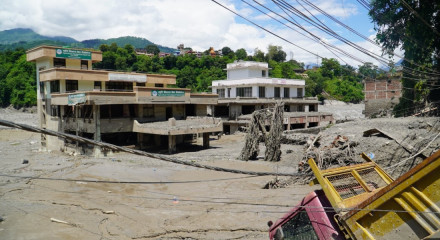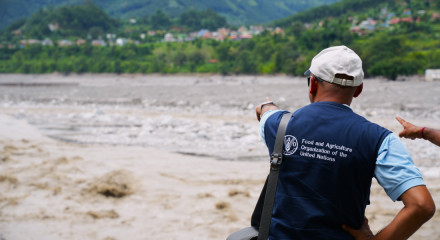

On 26 August 2026, a high-intensity flood surge tore through the transboundary Bhote Koshi watershed. The immense flash flood, with mud and rocks, swept downstream into Rasuwa, Nuwakot, and Dhading districts, destroying homes, farmland, and livestock shelters, and leaving hundreds of families with nothing but what they could carry to higher ground. For communities already living close to the margins in Nepal's mid-hills, the flood was a sudden and severe blow to lives and livelihoods alike.
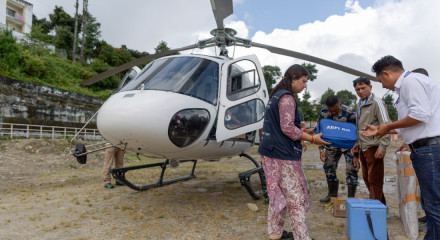
The Food and Agriculture Organization (FAO) Nepal responded rapidly to support the affected communities. Working in close coordination with the Government of Nepal, FAO immediately set up a response operation built around four pillars: emergency food distribution for displaced households, urgent veterinary care to protect surviving livestock, satellite-based mapping to understand the true scale of the damage, and early planning for longer-term recovery. Relief consignments were mobilized straight away reaching the hardest-hit villages shortly after the disaster struck.
Getting Food to Affected Families
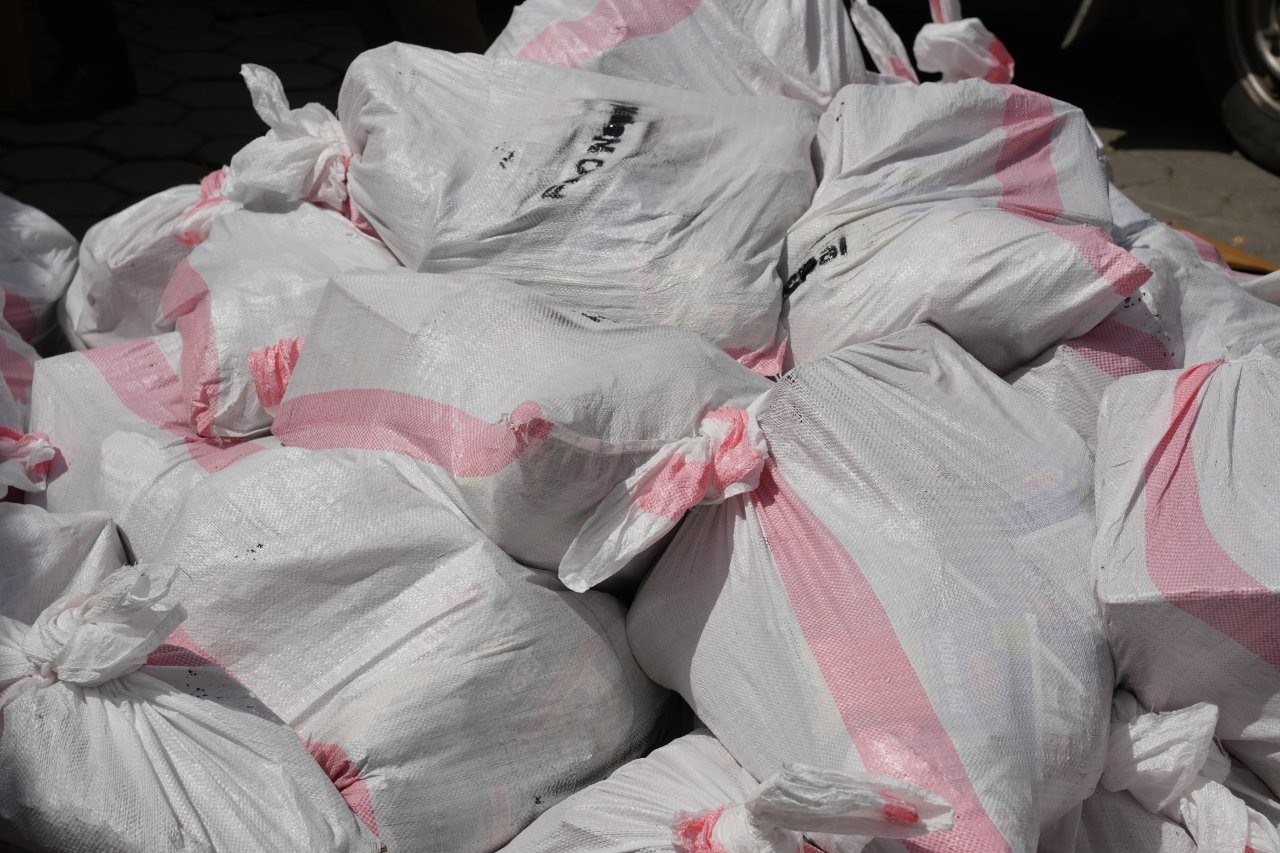
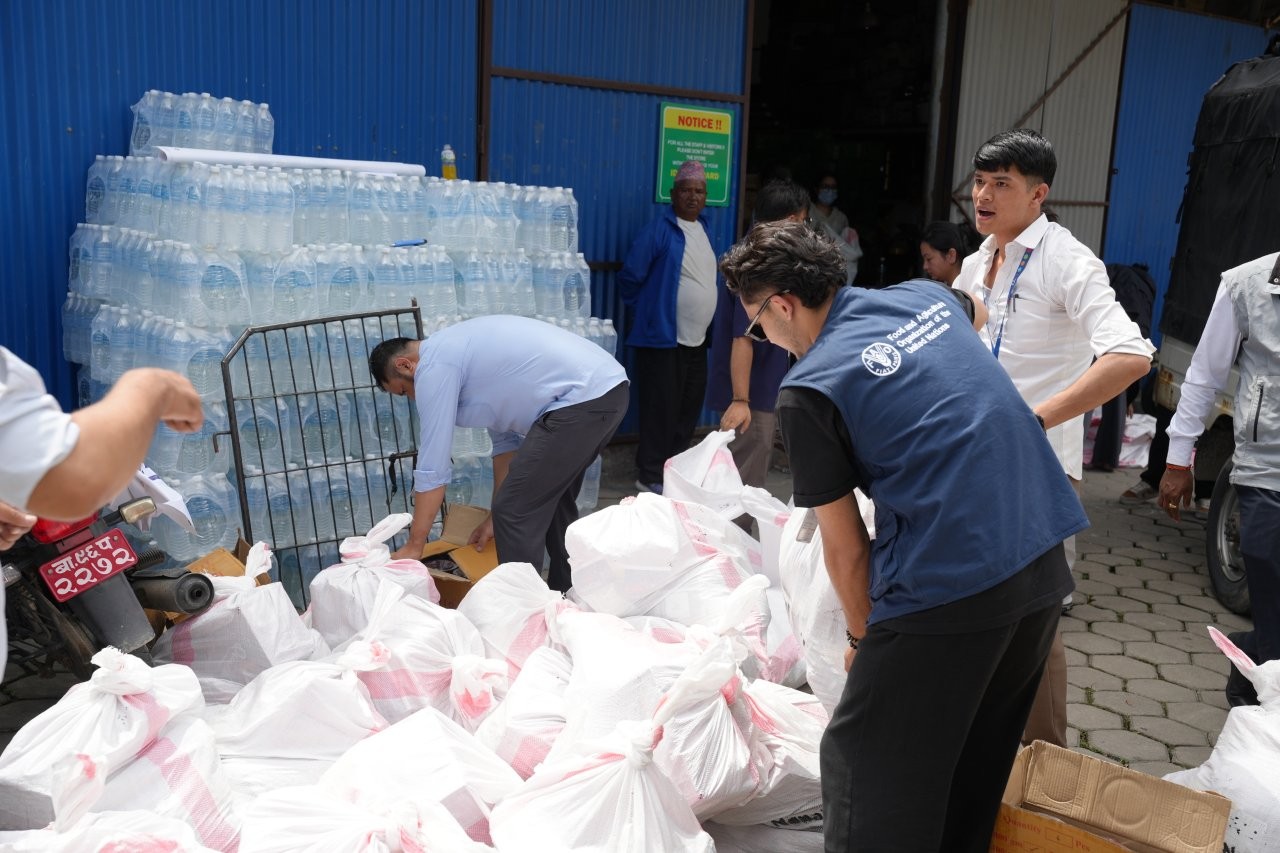
FAO Nepal dispatched a total of 23,100 kg of emergency food supplies, enough to support more than 700 affected households across the three districts. The operation was sequenced to reach the worst-affected communities first: relief kits reached Rasuwa and Nuwakot on 27 August, followed by Dhading on 28 August, after field teams completed an on-the-ground assessment visit to Galchi Rural Municipality to confirm needs before supplies were released.
|
Date |
District |
Relief Packages Dispatched |
|
27 August 2026 |
Rasuwa |
350 units |
|
27 August 2026 |
Nuwakot |
200 units |
|
28 August 2026 |
Dhading |
150 units |
|
TOTAL |
700 units |
|
Each household kit was designed to cover a family's most urgent nutritional needs in the immediate aftermath of the flood, when cooking facilities, clean water, and local markets are often unavailable or destroyed. Including a household water purification set with 8400 liters of drinking water was a deliberate public health measure, as flood-affected areas face increased risk of waterborne diseases when safe water sources are damaged or contaminated.
In the just two days, FAO Nepal's food distribution reached over 700 households across three districts — a swift, coordinated response that gave flood-affected families a measure of stability and dignity when they needed it most. It was the first of several fronts on which FAO worked to support Nepal's recovery.