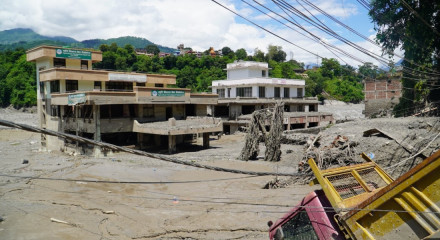

 When the Bhote Koshi flood struck on 26 August 2026, it damaged homes and farmland, killed animals and left surviving livestock injured, displaced and exposed to diseases. Many animal carcasses were also left stranded and unattended in flood-affected areas, creating urgent animal-health, sanitation, and environmental concerns. A preliminary assessment by the Nepal Veterinary Association reported that thousands of pigs and commercial poultry, along with hundreds of buffaloes, were swept away or drowned in Nuwakot alone. The scale of the losses highlighted the urgent need to safely manage animal carcasses, protect surviving livestock, and reduce the risk of further health threats.
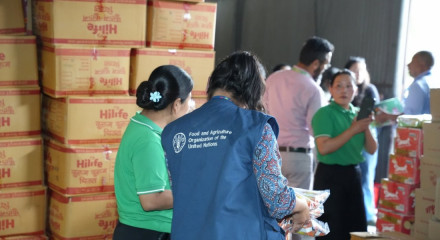
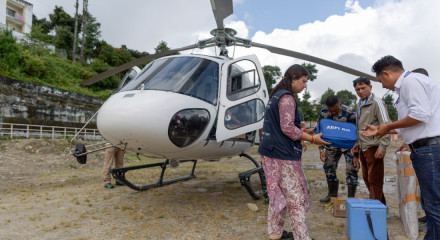
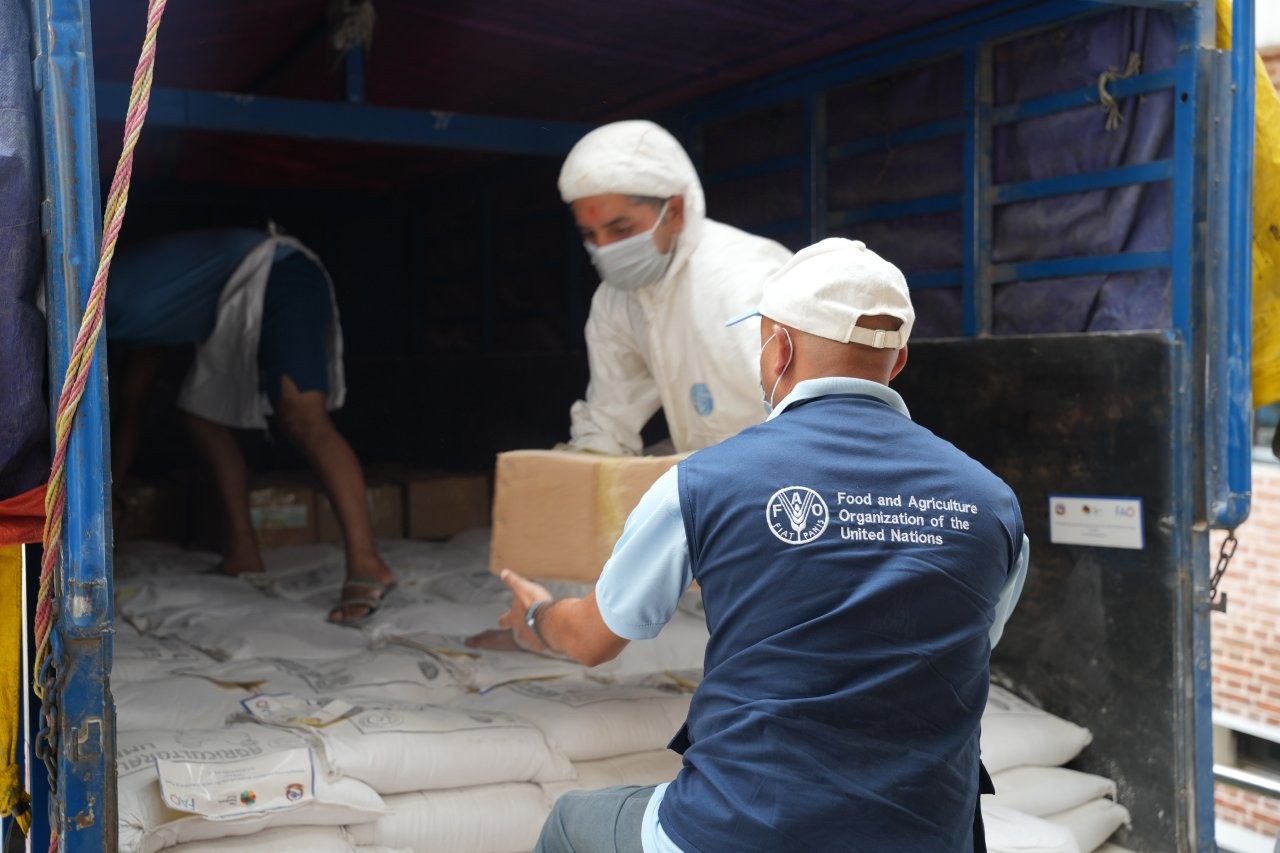
FAO Nepal provided emergency veterinary medicines and sanitation supplies to the Department of Livestock Services under the Ministry of Agriculture, Forests and Environment for deployment in Rasuwa and Nuwakot. The initial assistance was designed to support the safe management of animal carcasses, treat injured animals and reduce disease risks following the floods, when veterinary services and access to safe water were disrupted and displaced livestock faced heightened health risks.
A Package Built for Post-Flood Realities
The veterinary support package was built to address the three most urgent post-flood risks to livestock health:
- Infectious disease and pain management - antibiotics, anti-inflammatory boluses, and antiparasitic drugs to treat injury and prevent disease outbreaks in stressed, displaced herds.
- Topical and wound care - antiseptics, topical ointments, and wound-care products for animals injured during the flood and aftermath.
- Nutritional support - liquid supplements, vitamins, minerals, and electrolytes to help weakened animals recover strength and resist secondary illness.
By channeling these supplies through the Department of Livestock Services, FAO ensured the response was embedded within Nepal's own veterinary system, reaching animals through trusted local field workers rather than a parallel structure. For families who have already lost so much to the flood, keeping their remaining livestock alive and healthy is a vital first step towards self-reliance protecting not just an animal, but a household's future income, food supply, and ability to recover on its own terms.