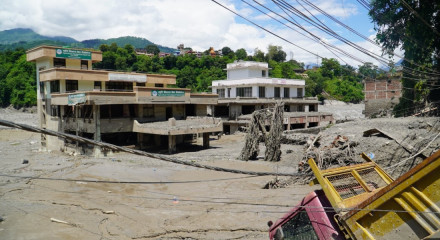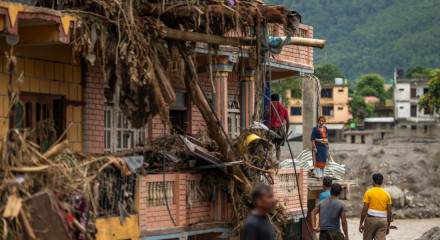

 In Nepal, the measure of a flood is usually taken in inches of water and numbers displaced. The truer measure may be what it subtracts from the future: years of development progress lost overnight.
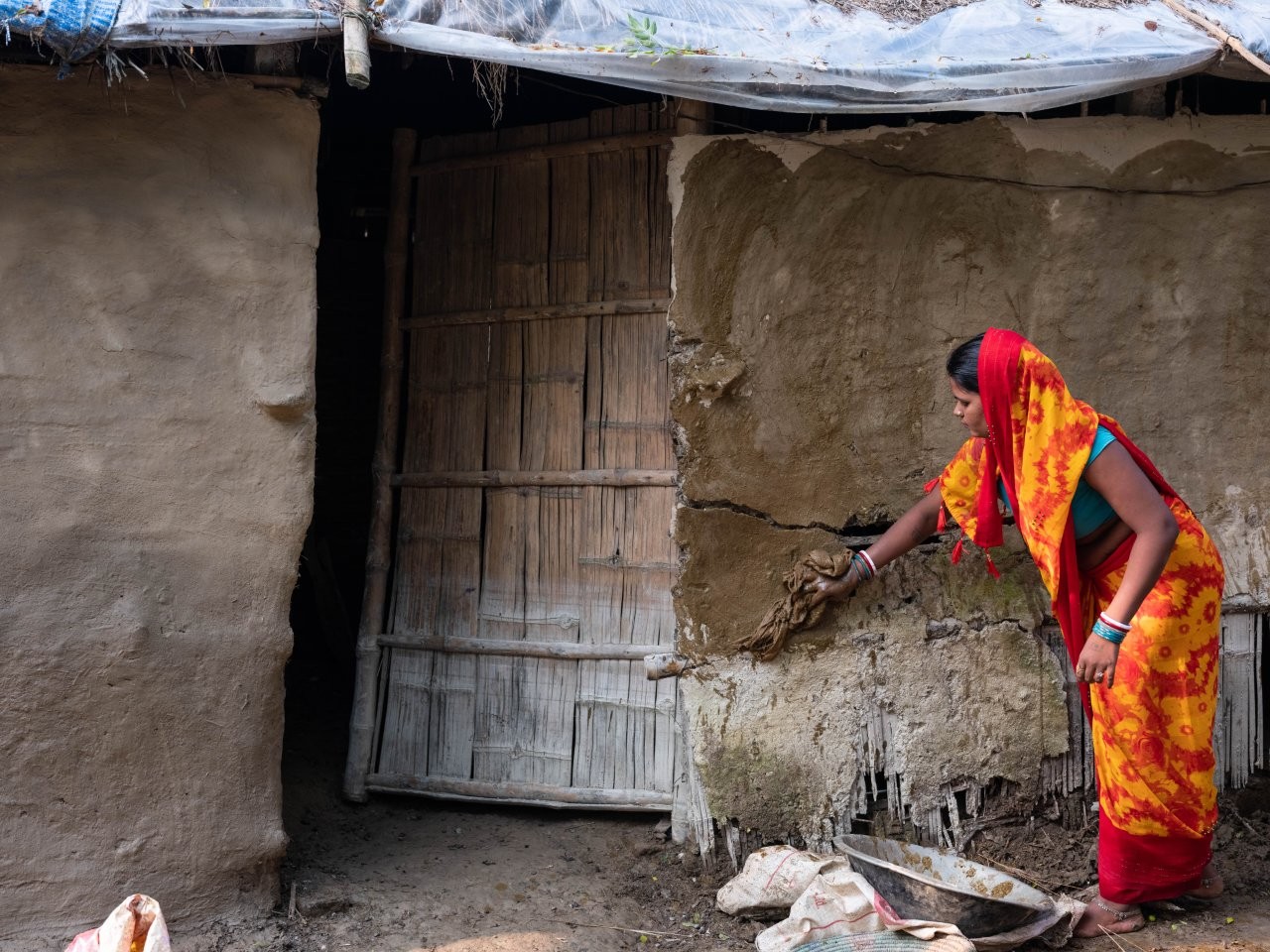
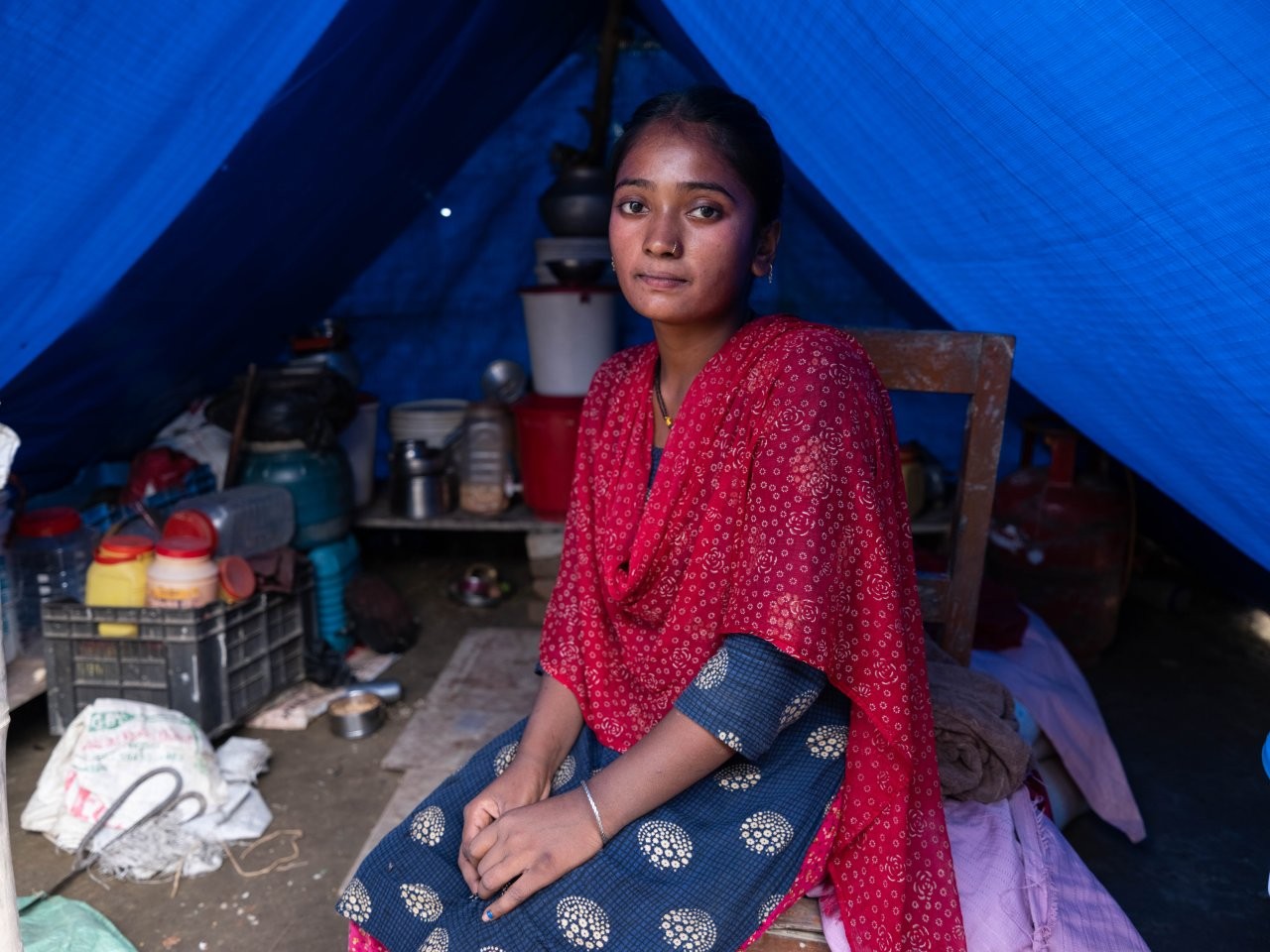
When severe flooding struck Madhesh Province in October 2025, families in Rautahat lost homes, food stocks, cooking facilities and household assets; hundreds were displaced. The losses fell unevenly: women, who carry most of the unpaid work of care and food preparation, stood to lose gains in gender equality and economic participation that had taken years to build.
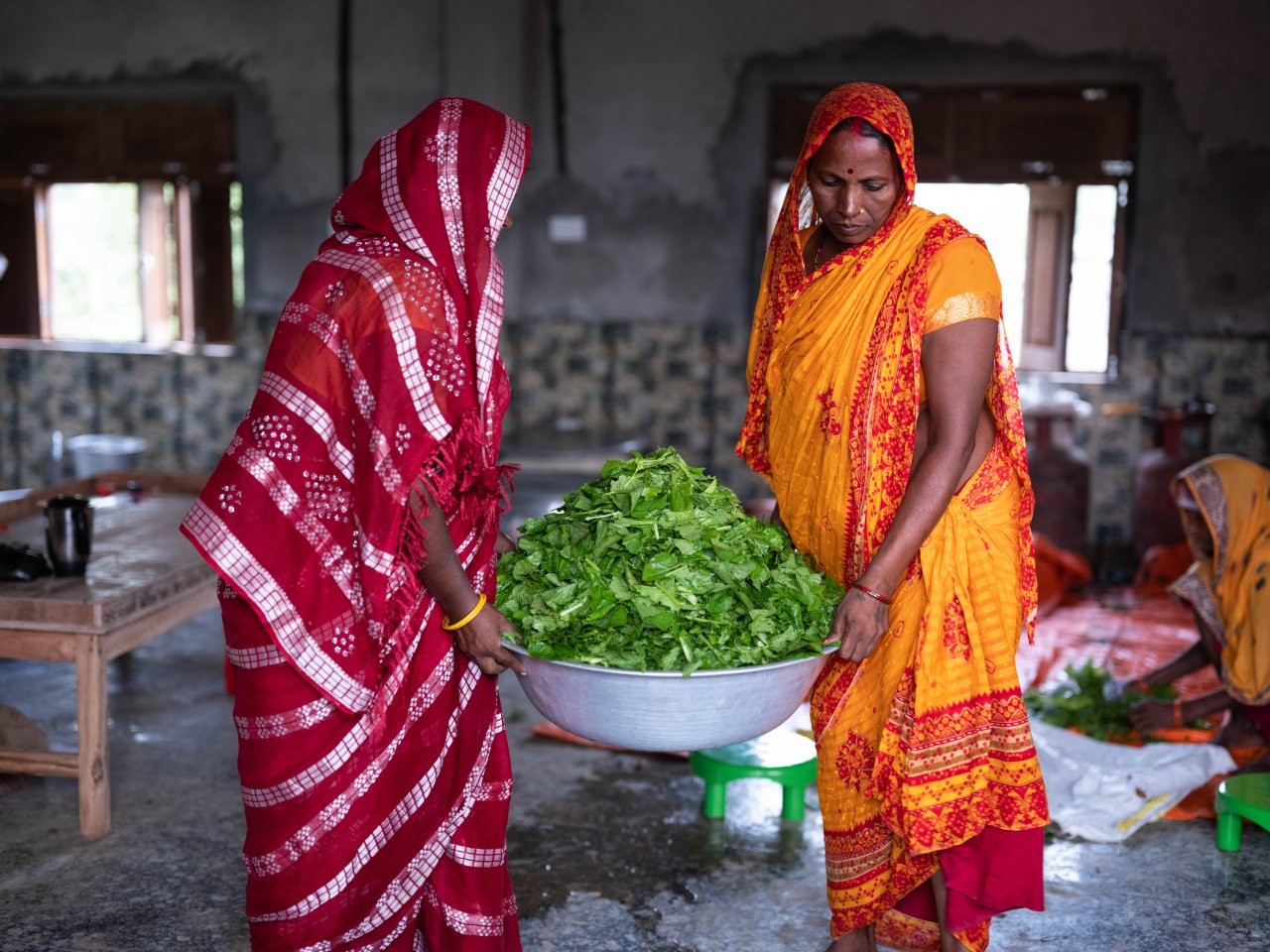
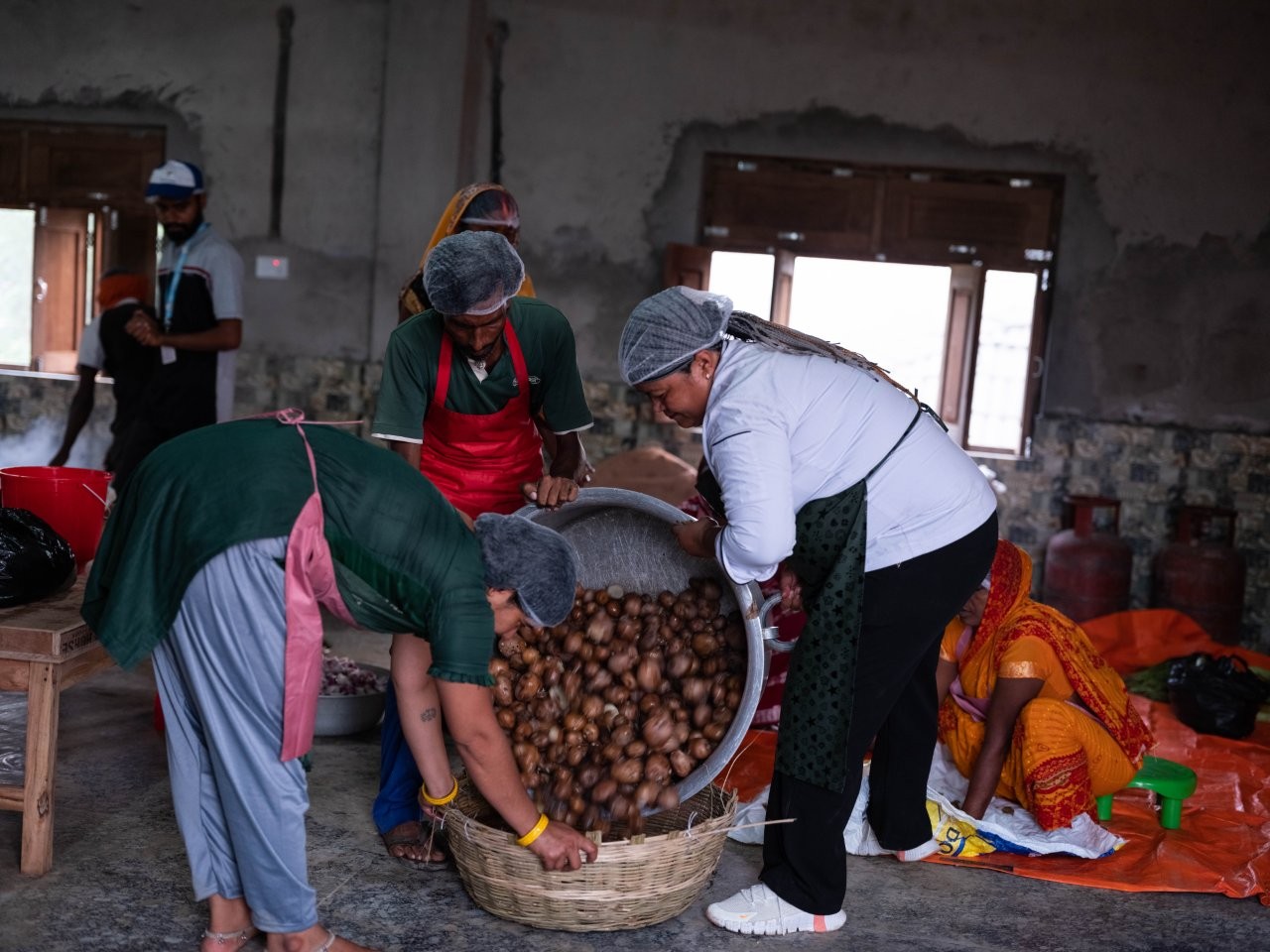
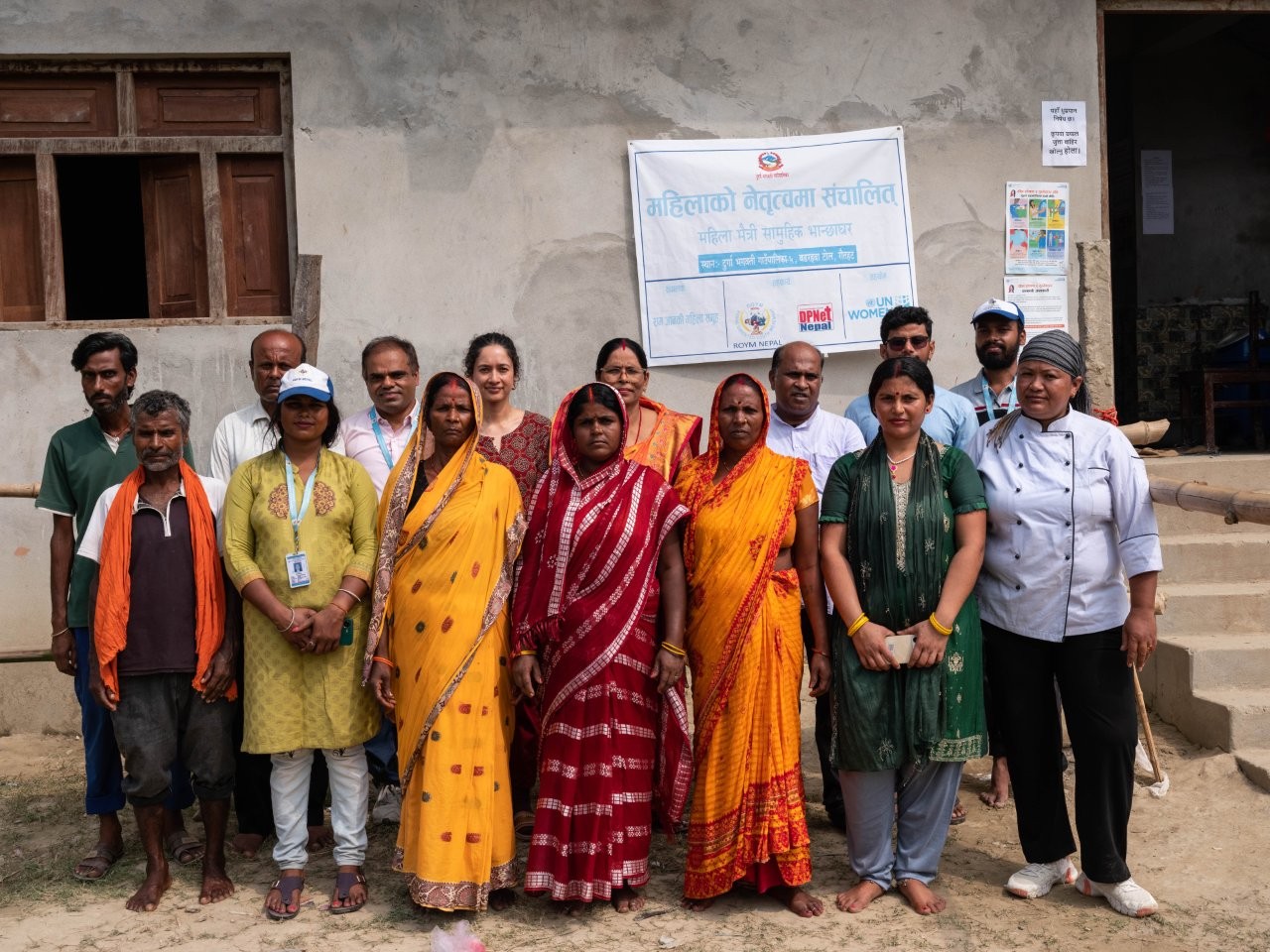
What happened next inverted the usual grammar of relief. The kitchen, so often the room where crisis confines women, became the place from which the response was run. With local partners, UN Women Nepal helped set up a women-led community kitchen in Durgabhagwati Rural Municipality. For 18 days, it served hot meals to more than 400 flood-affected people, including pregnant and lactating women, people with disabilities, and members of highly marginalized communities.
“Women are often seen as those who cook, but not as those who lead. This community kitchen changed that,” said Gita Devi, chairperson of the Ram Janaki Mahila Samuha, which ran the kitchen. “For 18 days, our team stood at the heart of the emergency, serving hot meals to more than 400 people, while coordinating the response with compassion and determination. We did more than provide food, we kept our community connected, protected people’s dignity, and demonstrated that women can lead effective humanitarian action. Today, our community trusts us differently, and we trust ourselves more. We now know that when women lead, recovery is stronger and more inclusive.”
A shared kitchen returns something scarce in a disaster: time. Families used it for what recovery actually demands, rebuilding homes, restoring livelihoods, bringing in crops before losses compounded.
The design was the argument. Women led as supervisors, managers and cooks, not beneficiaries at the margins of the response but its architects. The staffing mixed Dalit and non-Dalit community members, turning the kitchen into a place where old social norms were renegotiated over shared work, and where the social fabric that development programmes had spent years weaving held, and in places tightened.
The kitchen looked past itself, too. Twenty-five members of the women’s group trained in disaster preparedness and safety procedures, becoming frontline responders and strengthening the community’s own capacity for the next shock. When the response closed, the pots, burners and equipment did not leave; they passed to the women’s group, a resource for future emergencies and the seed of a small catering enterprise.
As climate-driven disasters grow more frequent, Nepal’s task is to protect the development gains it has already made in gender equality, food security and community resilience. Rautahat offers a working answer. The floodwaters eventually receded, but the confidence, leadership and trust that women built through the kitchen remain, leaving the community better prepared for whatever comes next.
 |
 |
 |
 |
| Community Kitchen. Credit: UN Women/Uma Bista |