
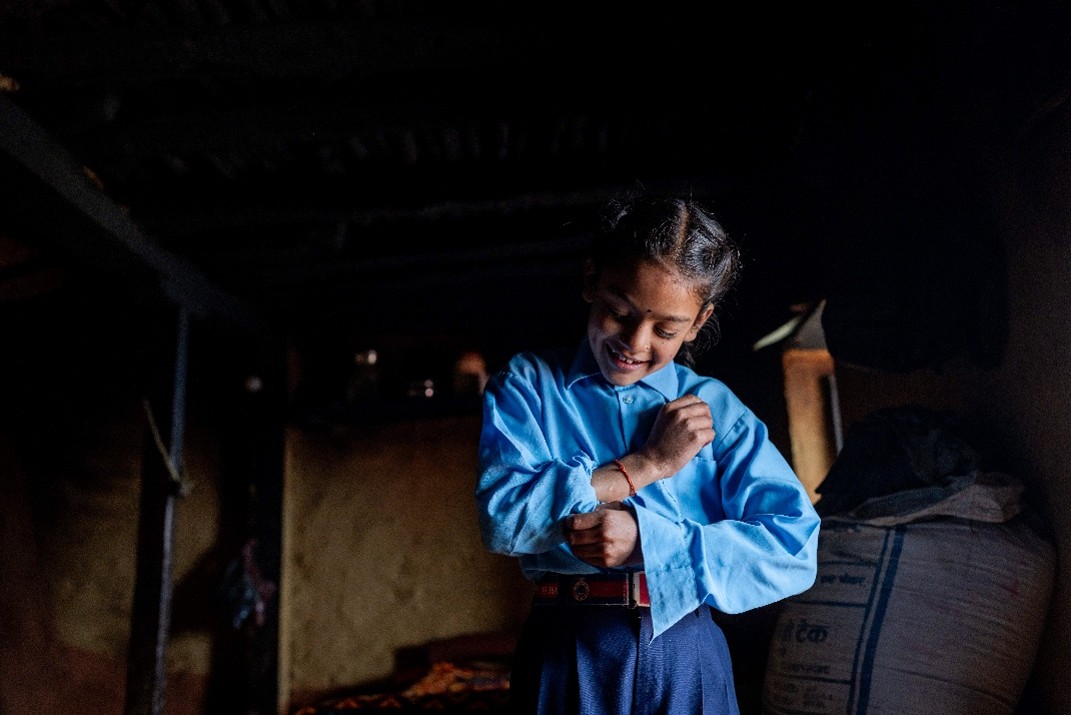
 After floods and landslides forced her school to move, nine-year-old Sarjana walks a safer path. A Transitional Learning Centre, supported by UNICEF and Finland, is keeping her education on track.
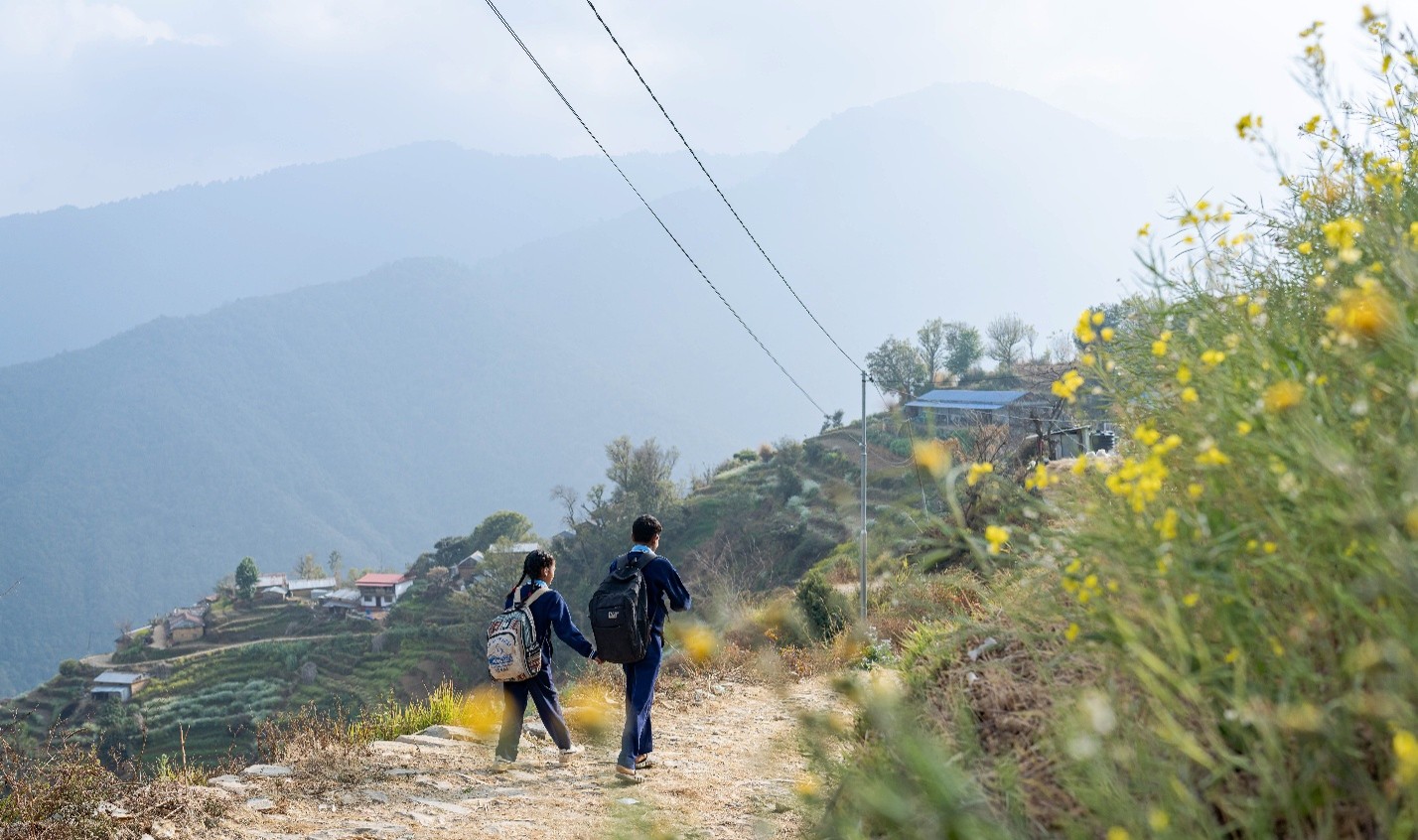
At six in the morning, as the small settlement of Naya Gaun in Nepal’s central hills begins to stir, nine-year-old Sarjana is already awake. She washes quickly, eats a bite, puts on her uniform, and heads out holding the hand of her older brother, Sajjan.
For most children the walk to school is the plainest part of the day. In Nepal’s hills, where the land itself can shift and fall, it measures something larger: how much of what a family has gained can survive a bad season.
For Sarjana, reaching Shree Phulchoki Basic School once meant a steep, treacherous path where loose rocks tumbled without warning. “It wasn’t easy to get there,” she recalls.
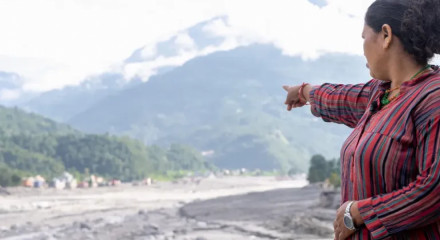
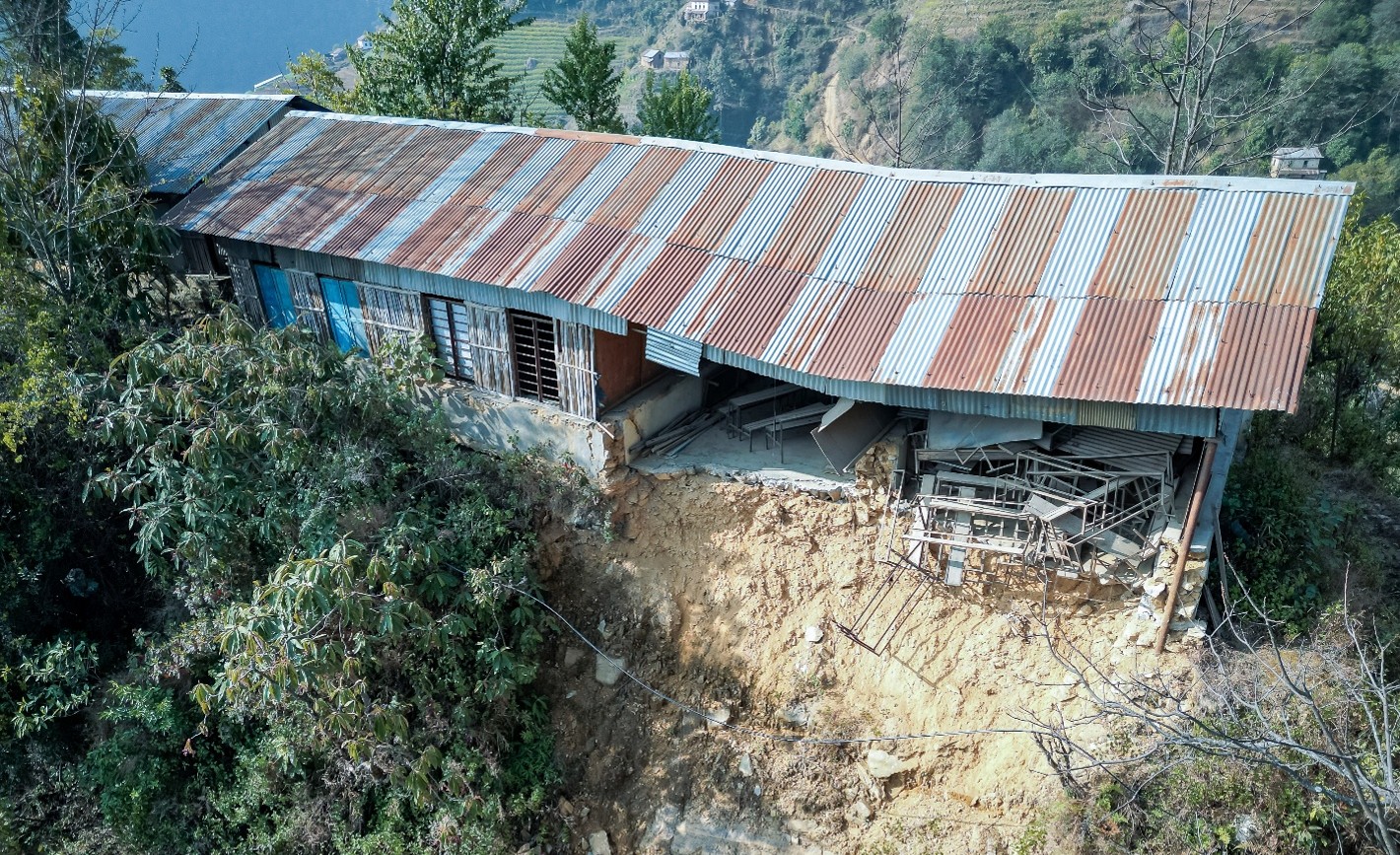
Then came the monsoon of 2024. Heavy rains triggered floods and landslides across the region, damaging more than 190 schools and affecting some 23,000 students nationwide. Shree Phulchoki was one of them: a classroom’s walls collapsed down the hillside, and cracks spread across the school grounds.
“It became too risky to run classes,” recalls head teacher Bimala Nepal. “We had to move.”
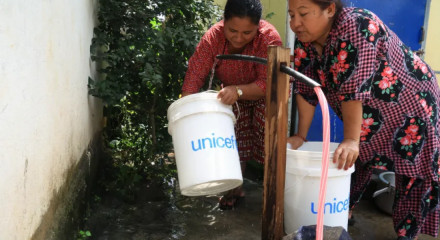
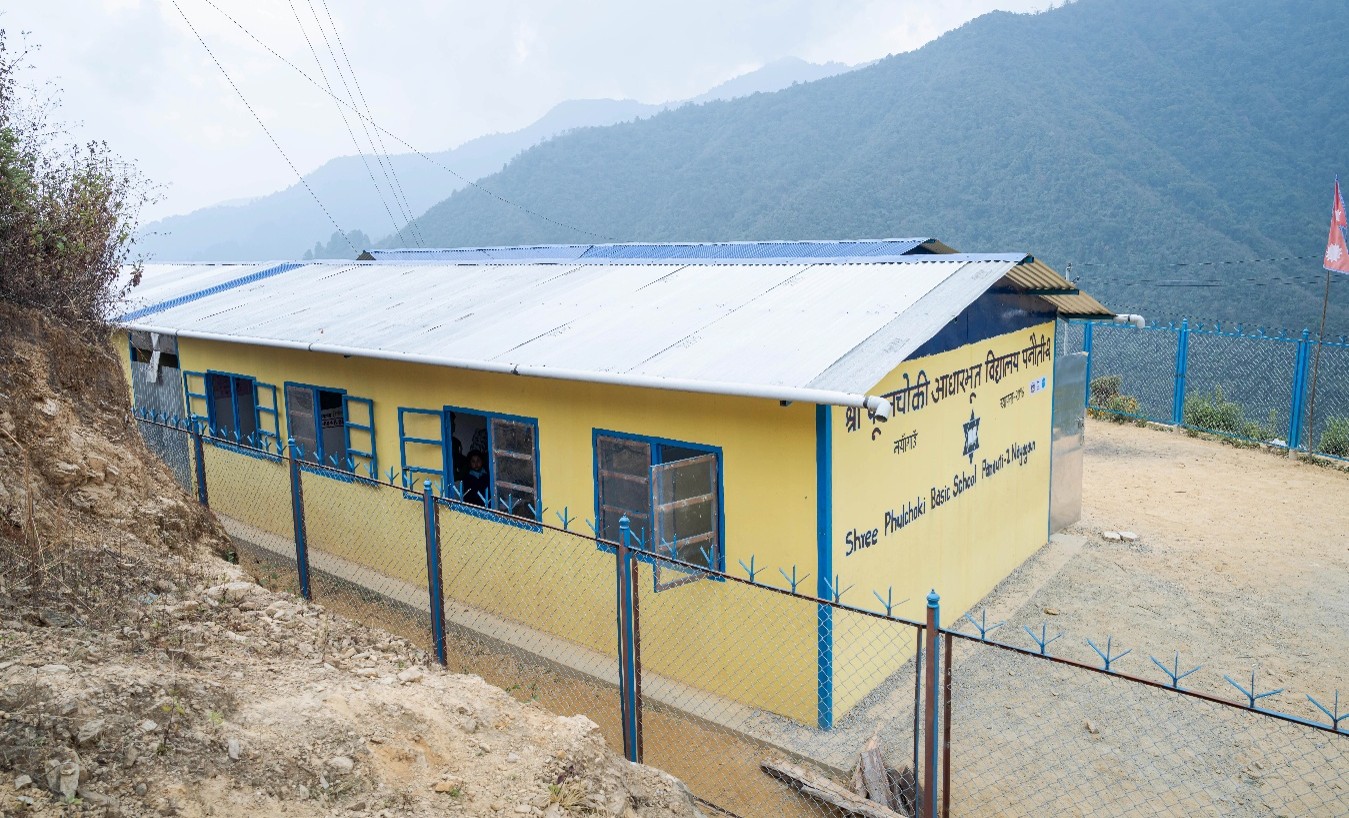
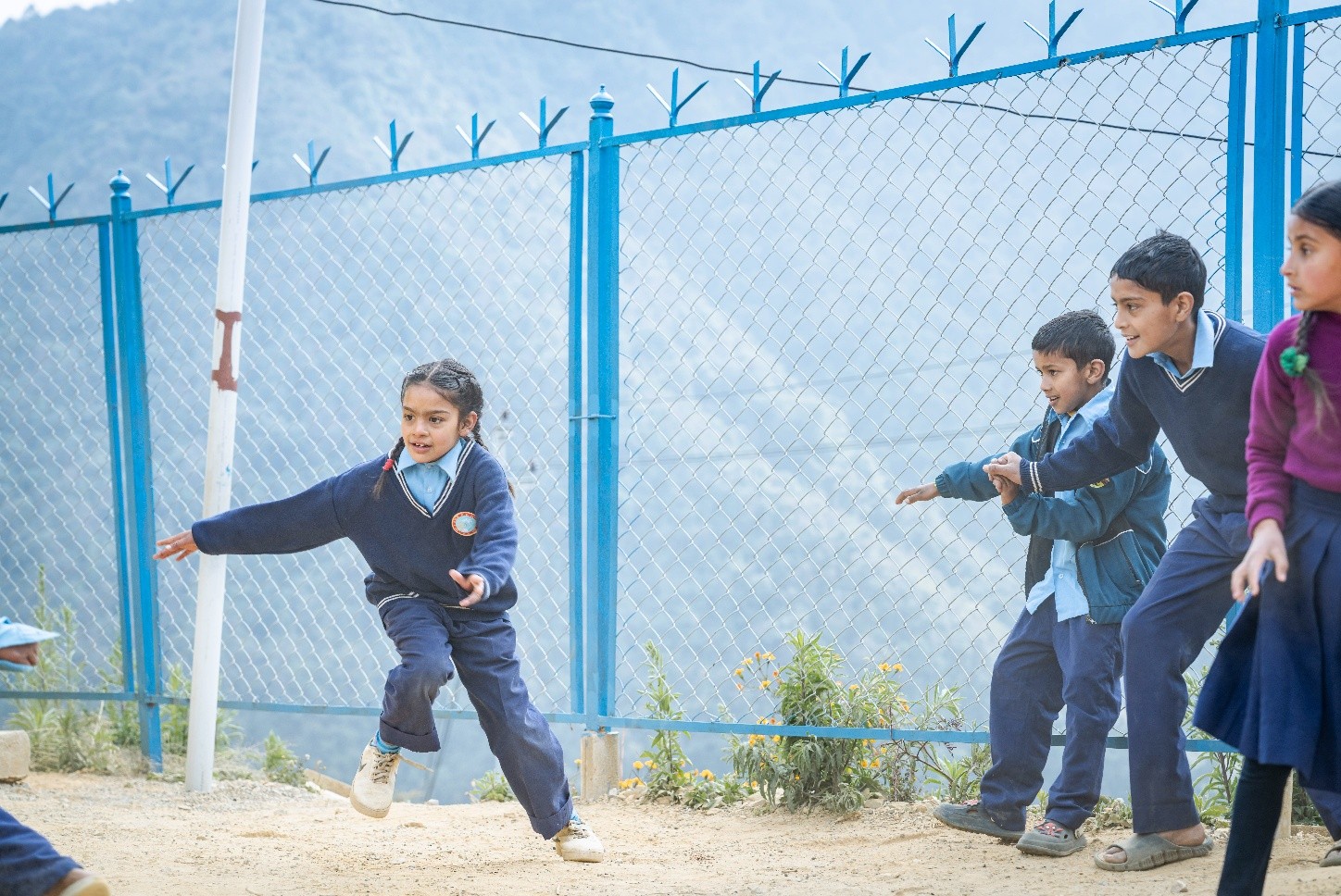
The response treated the school as what it is: a development gain worth defending. UNICEF and the Government of Finland worked alongside Nepal’s government to find safer ground, where a Transitional Learning Centre now stands, engineered to withstand harsh weather and natural hazards. Its purpose is simple: keep the classroom open. Today the walk is different. The rocks are gone, the path is easier, and at the end of it there is time for what Sarjana loves most: a quick round of games with friends before class begins. The classrooms are bright and open, with proper toilets and handwashing stations. The teachers keep attendance, and it tells the story. “One major change we’ve seen is how regularly students attend their lessons,” says Bimala. “They are consistently present.”
At home, Sarjana’s mother, Rupa, feels a quiet relief. “The new school is closer. The journey is easier.” For Rupa, a daughter in school every day means opportunities she never had. Married young herself, she carries a different hope: that Sarjana will have choices, to grow, to learn, and to decide her own future.
Right now, that future stretches out in endless possibility. “She always tells me,” her mother says, smiling, “‘I’m not going to get married. I’m going to be a successful person and take care of you.’”
This is what safeguarding progress looks like at ground level: continuity through disasters, not just recovery after them. UNICEF, in partnership with NSET and the Government of Nepal, with generous support from the Government of Finland, is using Learning Continuity Plans and teacher training to keep classrooms running through the next emergency. The monsoons will keep coming. So will Sarjana: up at six, through her routine, and hand in hand with her brother.
 |
 |
 |
 |
 |